
这是的根源
Gaming Room Lighting Solutions: Innovative Technologies and Trends
As a lighting designer, I understand the importance of lighting in creating a gaming room experience. In this article, I will provide detailed information about innovative lighting solutions for gaming rooms to enhance the lighting effects of your gaming experience.
Understanding the Importance of Gaming Room Lighting
Gaming room lighting is crucial for the gaming experience. It not only improves the player’s comfort but also creates different atmospheres for the game, thereby increasing the fun and excitement of the game.
The Impact of Lighting on Gaming Experience
Lighting can affect the player’s attention and reaction time. For example, dim lighting can make players feel more relaxed and comfortable, while brighter lighting can increase the player’s reaction time and concentration.
Factors to Consider When Designing Gaming Room Lighting
Designing a gaming room lighting scheme requires considering many factors such as the size and shape of the room, player preferences and needs, game type, etc. The more factors that need to be considered, the more comprehensive and personalized the design solution needs to be.
Types of Gaming Room Lighting Solutions
There are many different types of gaming room lighting solutions to choose from. Below are some of the most common lighting solutions.
Ambient Lighting
Ambient lighting is the most basic form of lighting in a gaming room. It can provide overall illumination for the room, making players feel comfortable throughout the entire room.
Task Lighting
Task lighting is lighting designed for specific tasks or activities. It is usually a higher intensity lighting used to enhance the player’s concentration and reaction time.
Accent Lighting
Accent lighting is used to highlight specific areas or elements in the gaming room. It can attract players‘ attention, thereby increasing the fun and excitement of the game.
Decorative Lighting
Decorative lighting is used to enhance the ambiance and aesthetics of the gaming room. It can add different styles and atmospheres to the room, creating a unique gaming experience.
Innovative Technologies for Gaming Room Lighting Solutions
In addition to common lighting solutions, modern technology has brought many innovative technologies to gaming room lighting.
Smart Lighting Systems
Smart lighting systems are systems that can automatically adjust lighting based on different room needs and player preferences. It not only improves the efficiency and comfort of gaming rooms but also provides personalized lighting experiences for players.
LED Lighting Solutions
LED lighting solutions are efficient, reliable, and sustainable lighting solutions. Its advantages include low power consumption, long life, adjustable color temperature, etc. Therefore, it is widely used in the gaming room lighting field.
Game-Specific Lighting Solutions
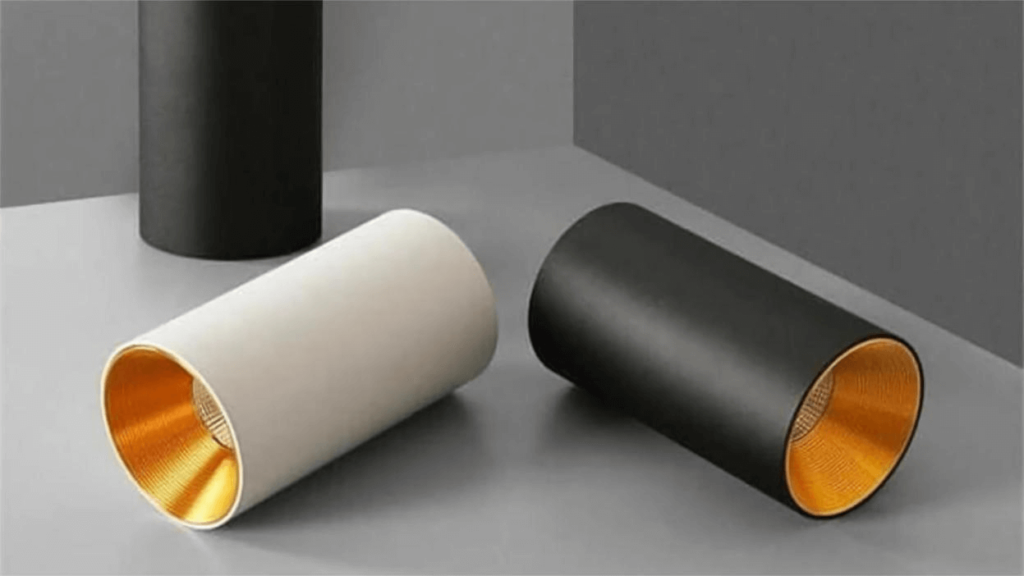
Game-specific lighting solutions are lighting schemes designed for specific game types. For example, in shooting games, lighting can simulate the fiery battlefield, thereby enhancing the realism of the game.
Lighting and Sound Systems
Lighting and sound systems are systems that integrate lighting and audio technology. It can provide personalized lighting and audio experiences based on different needs in the gaming room, thereby enhancing the fun and excitement of the game.
How to Design Effective Gaming Room Lighting Solutions
Designing effective gaming room lighting solutions requires following certain steps and principles.
Preparation before designing lighting solutions
Before designing lighting solutions, it is necessary to understand information such as the size, shape, functional requirements of the gaming room, and player preferences and needs. This information can help us design personalized lighting solutions.
Selecting suitable lighting equipment
When selecting lighting equipment, multiple factors need to be considered, such as color temperature, brightness, lamp type, etc. Suitable lighting equipment can improve lighting effects and enhance the gaming experience.
Achieving a balanced lighting design
When designing gaming room lighting solutions, it is necessary to achieve a balanced lighting design, which means not overusing a particular lighting method or color, to avoid players feeling uncomfortable or fatigued.
Ensuring correct installation of lighting equipment
Correct installation can maximize the effect of lighting equipment, thereby providing a better gaming experience for players.
Maintenance and upgrade of gaming room lighting solutions
To maintain the best lighting effects in the gaming room, lighting solutions need to be regularly maintained and upgraded.
Maintenance tips for lighting systems
Regularly cleaning lighting equipment, replacing damaged parts, and testing whether the lighting system is working properly can ensure the normal operation of the lighting system and extend its service life.
Signs that the lighting system needs an upgrade
If your lighting system cannot meet current needs or provide the best gaming experience, it may need an upgrade. For example, if the lighting system is no longer compatible with the latest gaming technology, you may need to upgrade it.
Latest trends and innovations in gaming room lighting
As technology continues to advance and innovate, gaming room lighting is also constantly evolving. Understanding the latest trends and innovations can help us better design and upgrade gaming room lighting solutions.
Conclusion
The importance of gaming room lighting solutions for the gaming experience cannot be ignored. By understanding different types of lighting solutions and innovative technologies, as well as understanding the steps and principles of designing effective lighting solutions, we can bring better lighting effects to gaming rooms and enhance the gaming experience for players. Meanwhile, through regular maintenance and upgrades, we can maintain the best state of gaming room lighting solutions and provide the best gaming experience for players.
Workshop Lighting Innovative Lighting Solution: Everything You Need to Know
As a lighting designer, I’m excited to share with you innovative lighting solutions for workshop illumination. In this article, I will provide a detailed introduction to the types and designs of innovative lighting solutions, as well as the steps and considerations required for implementing these solutions.
Understanding Workshop Lighting
Workshop lighting is critical to the productivity and health of workers. Proper lighting can improve worker efficiency and work quality while reducing the risk of accidents. At the same time, lighting can also impact worker mood and health. Therefore, lighting designers should have an in-depth understanding of the lighting needs of workshops and common lighting types.
Innovative Lighting Solutions
Innovative lighting solutions encompass various technologies and design methods that can greatly improve the effectiveness and energy efficiency of workshop lighting. Here are some commonly used innovative lighting solutions.
LED Lighting:
LED lighting has become the mainstream technology for workshop lighting. It can save energy, reduce maintenance costs, and improve light quality. For occasions that require brightness adjustment, dimming functionality can also be achieved.
Daylighting:
Introducing natural light into the workshop can greatly reduce energy consumption while improving lighting effects. The design should consider daylighting area and direction to ensure adequate and uniform light.
Smart Lighting:
Smart lighting systems can automatically adjust brightness and color temperature based on different workshop scenarios and usage requirements through sensors and automation control systems. This can improve energy utilization efficiency and improve the comfort of the working environment.
Task Lighting:
Task lighting refers to providing different lighting schemes based on different task requirements. This type of lighting solution can greatly improve worker efficiency and accuracy while reducing fatigue and the occurrence of eye diseases.
Color Temperature and CRI:
Color temperature and CRI are two important indicators of lighting quality. Color temperature affects comfort and visual effects, while CRI affects color rendering. In workshop lighting design, these indicators should be considered to meet workers‘ visual needs.

Design of innovative lighting solutions
When designing innovative lighting solutions, several factors need to be considered:
Workshop type:
Different types of workshops require different lighting solutions. For example, mechanical workshops require stronger lighting, while electronic workshops require softer lighting.
Light source selection:
Different light sources have different lighting effects and energy consumption. Therefore, when designing lighting solutions, appropriate types and quantities of light sources should be carefully selected.
Lighting distribution:
Lighting distribution should be even to ensure workers receive sufficient lighting in any location. In addition, considerations should be given to preventing the effects of flickering and glare.
Energy efficiency:
To achieve sustainable workshop lighting, it is essential to consider how to minimize energy consumption. For example, the use of photosensitive sensors and automation control systems can optimize energy utilization.
Implementing Innovative Lighting Solutions
Once the design of innovative lighting solutions has been determined, it is time to start implementing the plan. Here are some steps and considerations when implementing innovative lighting solutions:
Installation and commissioning:
Installation of lighting equipment should adhere to safety regulations and operational manuals. During the commissioning process, attention should be given to adjusting the dimming and color temperature to ensure optimal workshop lighting conditions.
Compliance requirements:
Different countries and regions have different requirements for workshop lighting. Therefore, when implementing solutions, local regulations and standards should be adhered to.
Performance evaluation:
After installation, a performance evaluation of the lighting system is necessary. Any problems discovered should be addressed promptly.
Conclusion
Innovative lighting solutions can greatly improve workshop lighting effectiveness and energy utilization efficiency while improving the working environment for employees. When designing and implementing innovative lighting solutions, factors such as workshop type, light source selection, lighting distribution, and energy efficiency should be considered. During implementation, safety regulations and compliance requirements must be followed, and performance evaluations of the lighting system should be carried out regularly.
A Comprehensive Guide to Innovative Lighting Solutions for Garages
As a lighting designer, I am highly interested in innovative solutions for garage lighting. In this article, I will provide a comprehensive guide to Garage Lighting Innovative Lighting Solutions to help readers understand why innovative lighting solutions are important and how to choose the best lighting solution for their garage.
Importance of Garage Lighting
Proper lighting is essential in garages not only for improving productivity and safety but also for increasing the usability of the garage. In this section, we will delve into the importance of garage lighting and how to determine the lighting needs of a garage.
There are various types of lighting that can be used in garages, such as LED lights, fluorescent lights, and high-pressure sodium lights. However, selecting the appropriate type of lighting not only depends on the size and purpose of the garage but also considers energy efficiency, color temperature, and light intensity.
Determining the lighting needs of a garage is crucial in identifying the required number and type of lighting fixtures. For example, if the garage is primarily used for parking, a fewer number of fixtures may suffice, but if maintenance work is performed in the garage, brighter lighting is necessary to ensure clear visibility of details.
Innovative Lighting Solutions for Garages
Now, let us explore some innovative lighting solutions and how they can provide better lighting in garages. In this section, we will discuss LED lights, solar lighting, and motion-sensing lighting.
2.1 LED Lights
LED lights are a popular innovative lighting solution due to their lower energy consumption and longer lifespan compared to other types of fixtures. LED lights also provide high-quality lighting, making the garage brighter. However, selecting the right LED lights that suit the garage is crucial, and considerations such as light intensity, color temperature, and color need to be taken into account.
2.2 Solar Lighting
Solar lighting is another sustainable innovative lighting solution. It uses solar panels to collect solar energy and converts it into electricity to provide lighting for the garage at night. Although this solution requires a higher initial investment, it can save more energy costs in the long run.
2.3 Motion-Sensing Lighting
Motion-sensing lighting is an intelligent lighting solution that automatically turns on and off the lights based on the activity sensed in the garage. When someone enters the garage, the sensors will automatically turn on the lights, and when there is no activity in the garage, they will turn off, helping to save more energy and costs. Another advantage of motion-sensing lighting is that it can provide continuous lighting, making the garage more secure.
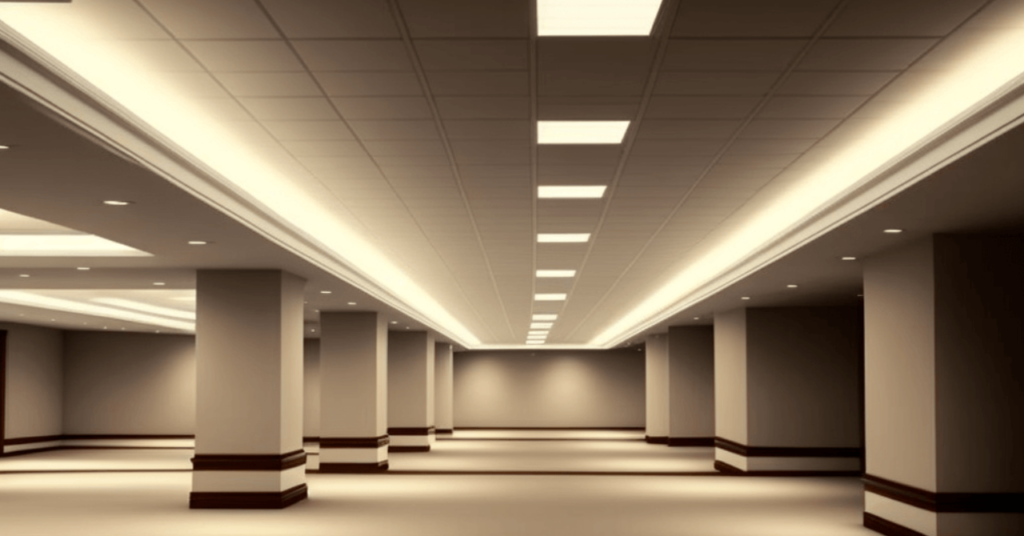
How to Choose Lighting Fixtures Suitable for Your Garage
Choosing the right lighting fixtures for your garage is crucial as it not only affects the lighting effect but also the safety and energy efficiency of your garage. In this section, we will provide useful tips to help you select the appropriate lighting fixtures for your garage.
3.1 Types of Lighting Fixtures
Various types of lighting fixtures can be used for garage lighting, such as LED lights, fluorescent lights, and high-pressure sodium lights. LED lights are the most popular lighting type currently due to their energy efficiency and long lifespan. Fluorescent lights can provide softer lighting, while high-pressure sodium lights can offer stronger lighting.
3.2 Energy Efficiency
To maintain energy efficiency, you can choose lighting fixtures with energy star certifications. These fixtures consume less energy and can help you reduce energy costs. Additionally, you can select lighting fixtures that use sustainable energy sources, such as solar lighting.
3.3 Light Intensity and Color Temperature
When selecting lighting fixtures, you need to consider the required light intensity and color temperature of your garage. For garages with less activity, such as parking areas, weaker lighting may suffice, but for garages requiring precision work, brighter lighting is necessary to ensure clear visibility of details. Additionally, you need to consider the color temperature as it can affect the overall appearance of your garage.
How to Install Innovative Lighting Solutions
After selecting the appropriate innovative lighting solution for your garage, the next step is to install them. In this section, we will provide useful tips to help you install lighting solutions safely and correctly.
4.1 Preparation
Before starting the installation, you need to prepare the necessary tools and equipment, such as screwdrivers, electrical cables, drills, etc. Additionally, you need to determine the location of the power line and switch.
4.2 Installation Process
The installation process can vary depending on the different lighting solutions. For traditional fixtures such as LED and fluorescent lights, you need to install them on the ceiling and connect the cables to the power line and switch. For solar lighting, you need to install the solar panels on the roof and lead the cable to the power and switch inside the garage. For motion-sensing lighting, you need to install the sensors in the appropriate location in the garage and connect them to the power line and switch.
4.3 Safety Precautions
When installing lighting solutions, it is essential to follow safety precautions to ensure your safety and proper installation. For example, please turn off the power and disconnect the power line before starting the installation. Additionally, if you are unsure how to install, seek professional help.
How to Maintain Garage Lighting Systems
Regular maintenance is crucial to maintaining the optimal performance of your garage lighting system. In this section, we will provide useful tips to help you maintain the lighting system’s good condition.
5.1 Regular Cleaning
Regularly cleaning the fixtures and bulbs can ensure their brightness and performance. You can use a soft cloth or a fine brush to gently wipe the bulbs and fixtures to remove dust and dirt.
5.2 Replace Bulbs
If the bulbs have burnt out, you need to replace them promptly. To ensure safety, you need to disconnect the power and wait for the bulbs to cool down before replacing them.
5.3 Troubleshooting
If your lighting system experiences problems, such as lights not turning on or flickering, you can check whether the power line and switch are properly connected. If the problem persists, seek professional help.
Conclusion:
This article provides a comprehensive guide to Garage Lighting Innovative Lighting Solutions. We discuss the importance of garage lighting and introduce some innovative lighting solutions, such as LED lights, solar lighting, and motion-sensing lighting. Additionally, we provide useful tips to help you select appropriate lighting fixtures, install and maintain the lighting system safely and correctly. We hope this information can assist you in creating a bright, safe, and efficient garage.
Laundry Room Lighting: The Key to a Functional and Beautiful Space
As a lighting designer, I recognise the significance of lighting in a laundry room. A well-designed lighting system can improve the space’s functioning and attractiveness. This article will go over Laundry Room Lighting Innovative Lighting Solutions in detail to assist readers understand how to choose and construct a lighting system for their laundry rooms.
I. Why is Laundry Room Lighting Important?
The laundry room is sometimes forgotten, despite being one of the most crucial rooms in the house. Lighting is important in the laundry room since it not only illuminates the space but also improves its utility and attractiveness.
A good lighting design can help you perform laundry tasks more efficiently, reduce eye fatigue, and enhance the room’s atmosphere and beauty.
II. Factors to Consider When Choosing Laundry Room Lighting
When choosing lighting for a laundry room, the following factors should be considered:
Size and Layout of the Laundry Room
The size and layout of the laundry room are critical to choosing appropriate lighting. If the laundry room is small, a main light that illuminates the entire room may suffice. If the laundry room is large, more lighting fixtures may be needed to improve overall illumination.
Type of Washer, Dryer, and Storage Cabinets
Different types of washers, dryers, and storage cabinets require different types of lighting. For example, washers and dryers require sufficient task lighting to help you see your clothes better, while storage cabinets require gentle lighting to enhance the overall atmosphere of the room.
Preferred Lighting Style and Design
When choosing laundry room lighting, personal preferences for lighting style and design should also be considered. For example, some people prefer modern light fixtures, while others prefer traditional ones. This should be selected based on individual preferences.
Lighting Fixtures and Placement
The placement of lighting fixtures is also crucial. For example, if you choose to use a pendant light, it should be placed above the washer and dryer to ensure that these appliances receive sufficient lighting. On the other hand, if you choose to use wall sconces, they should be placed above the storage cabinets to enhance the overall atmosphere of the room.
Amount of Natural Light in the Room
The amount of natural light in the laundry room is also an important factor in choosing lighting. If the laundry room has sufficient natural light, fewer lighting fixtures may be needed. However, if natural light is inadequate, more lighting fixtures may be necessary to supplement it.
III. Types of Laundry Room Lighting Fixtures
The following are the different types of lighting fixtures commonly used in laundry rooms:
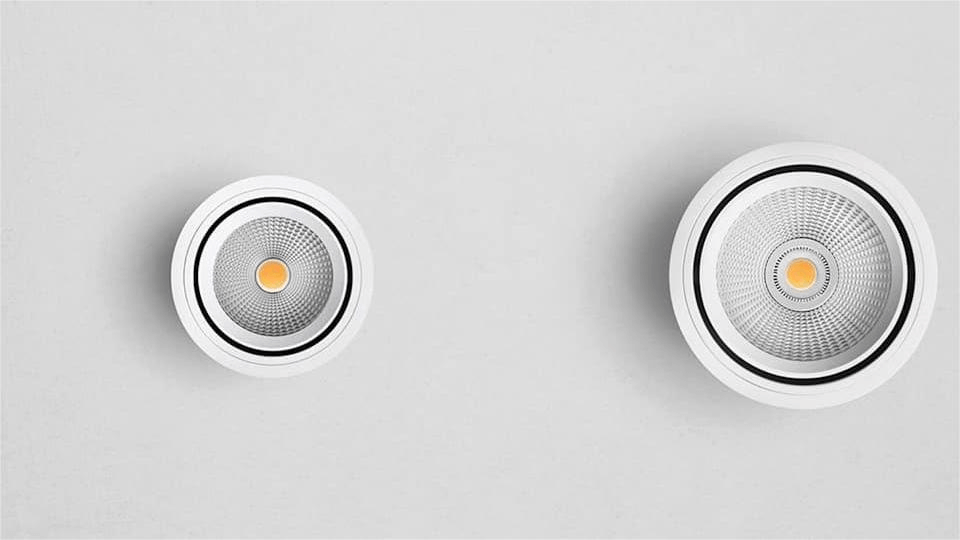
Ceiling Lighting Fixtures
Ceiling lighting fixtures are one of the most common types of lighting fixtures. They can provide illumination for the entire room, allowing you to see all items in the laundry room clearly. However, if you choose to use ceiling lighting fixtures, ensure that their placement is appropriate to avoid creating shadows.
Task Lighting Fixtures
Task lighting fixtures are used to provide specific lighting to help you complete specific tasks, such as doing laundry. This type of lighting fixture is usually installed above the washer and dryer to provide sufficient task lighting.
Decorative Lighting Fixtures
Decorative lighting fixtures are used to enhance the atmosphere and aesthetics of the laundry room. This type of lighting fixture can be a pendant light, wall sconce, table lamp, and more. They can add a beautiful touch of color to the laundry room.
Wall Sconces and Cabinet Lighting
Wall sconces and cabinet lighting are some of the best ways to provide localized lighting. They can provide gentle lighting for the laundry room while reducing the creation of shadows.
Energy-Efficient Lighting Fixtures
Energy-efficient lighting fixtures are a new type of lighting fixture that can help you save energy and reduce electricity costs. This type of lighting fixture can be LED lights, CFL lights, and more.
IV. Innovative Ideas for Laundry Room Lighting Design
When using lighting fixtures in the laundry room, the following points need to be considered:
Layered Lighting Design
Layered lighting design involves combining different types of lighting fixtures to provide comprehensive lighting for the laundry room. For example, using ceiling lighting, task lighting, and decorative lighting together to achieve the best lighting effect.
Color Temperature and CRI
Color temperature and CRI are two key factors that affect lighting quality. You need to choose the appropriate color temperature and CRI to improve the quality of the laundry room lighting. A higher CRI can more accurately reflect the color of objects, making it easier for you to distinguish the color and texture of clothes.
Smart Lighting Control
Smart lighting control is a new trend in lighting design. By using a smart lighting control system, you can automatically adjust the lighting according to your needs to achieve better energy utilization and comfort. For example, sensors can be used to detect the light intensity in the room and adjust the lighting accordingly.
Lighting Design Trends
Lighting design is a constantly evolving field, with new lighting design trends emerging over time. For example, modern lighting design trends emphasize simplicity, functionality, and high-tech. In addition, some people prefer traditional lighting design styles, such as vintage or industrial.
DIY Lighting Design
If you have a basic knowledge of lighting design, you can also try to design and install your own laundry room lighting system. This can help you better master the knowledge and skills of lighting design and provide a unique personalized design for the laundry room.
V. Conclusion
Laundry room lighting has a significant impact on the functionality and aesthetics of the room. Choosing the appropriate lighting fixtures and designing reasonable lighting can help you perform laundry tasks more efficiently and improve the overall atmosphere and beauty of the laundry room. In addition, the effect of laundry room lighting can be improved by layered lighting design, color temperature and CRI, smart lighting control, and more. I hope this article will be helpful in choosing and designing a laundry room lighting system.
The Importance of Closet Lighting: An Innovative Solution
As a lighting designer, I understand the importance of closet lighting in home design. Traditional closet lighting solutions may not meet people’s needs for closet lighting. Closet Lighting Innovative Lighting Solution is an innovative closet lighting solution that provides people with more intelligent, efficient, and aesthetically pleasing lighting options. In this article, I will provide a detailed introduction to the concept, importance, types, installation and debugging, as well as maintenance and upkeep of Closet Lighting Innovative Lighting Solution.
What is Closet Lighting Innovative Lighting Solution?
Closet Lighting Innovative Lighting Solution is an innovative closet lighting solution that helps people achieve brighter and more even lighting in their closets. It usually consists of lighting fixtures and LED light strips that can be selected and installed based on different needs and situations. Compared to traditional closet lighting solutions, Closet Lighting Innovative Lighting Solution has greater flexibility and intelligence, and can meet people’s different needs and preferences.
The Importance of Closet Lighting Innovative Lighting Solution
The importance of closet lighting in home design is self-evident. Good closet lighting not only improves people’s ability to identify their clothing, but also enhances the beauty and practicality of the room. Closet Lighting Innovative Lighting Solution can help people achieve more intelligent, efficient, and aesthetically pleasing lighting effects. Its advantages include:
Even lighting:
Closet Lighting Innovative Lighting Solution can provide even lighting for closets, avoiding lighting unevenness, local darkness, and other issues that may arise with traditional lighting solutions.
Flexible installation:
Closet Lighting Innovative Lighting Solution can be selected and installed based on different needs and situations. For example, different types of lighting fixtures or LED light strips can be selected, and they can be adjusted and combined based on the size and shape of the closet.
Intelligent control:
Closet Lighting Innovative Lighting Solution can be controlled in an intelligent way. For example, it can be controlled through a smartphone application or a remote control, achieving automatic on/off, brightness adjustment, and other functions.
Types of Closet Lighting Innovative Lighting Solution
Closet Lighting Innovative Lighting Solution can be divided into different types, including lighting fixtures and LED light strips. When selecting Closet Lighting Innovative Lighting Solution types, factors such as the size, shape, and design style of the closet need to be considered.
Lighting fixtures:
Lighting fixtures are a common type of Closet Lighting Innovative Lighting Solution, typically consisting of one or more light bulbs. When selecting lighting fixtures, factors such as the shape, size, color, and material of the fixtures need to be considered. In addition, the appropriate type of light bulb, such as incandescent or LED, needs to be selected to meet different lighting needs.
LED light strips:
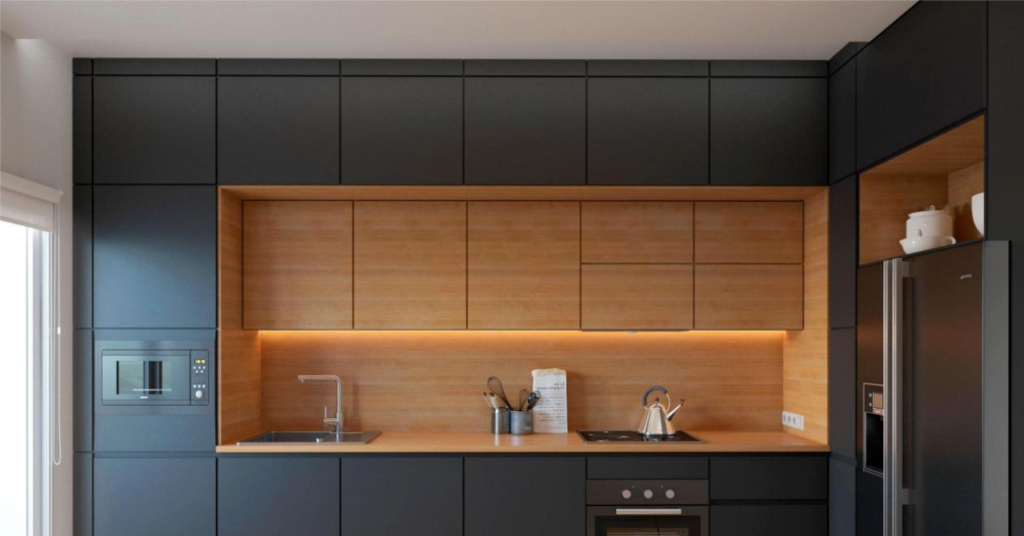
LED light strips are another common type of Closet Lighting Innovative Lighting Solution, which can be installed on the top, bottom, or sides of the closet to achieve different lighting effects. LED light strips have the advantages of energy saving, environmental protection, and long life, and can provide a softer and more even lighting effect. When selecting LED light strips, factors such as the size, color, brightness, and power supply of the light strips need to be considered to meet different lighting needs.
The installation and debugging of Closet Lighting Innovative Lighting Solution are crucial steps that directly affect the quality and stability of the lighting effect. The following are the basic steps for installing and debugging Closet Lighting Innovative Lighting Solution:
Determine the lighting scheme
Before installing Closet Lighting Innovative Lighting Solution, it is necessary to determine the suitable lighting scheme. Based on factors such as the size, shape, and design style of the closet, select the appropriate type and installation position for Closet Lighting Innovative Lighting Solution.
Install lighting fixtures or LED light strips
Install the corresponding lighting fixtures or LED light strips according to the selected type and installation position of Closet Lighting Innovative Lighting Solution. Pay attention to the fixture or LED light strip’s fixing and connection to ensure stability and solidity.
Connect to power supply
Connect the lighting fixtures or LED light strips to the power supply to ensure stable and safe power supply.
Debug lighting effect
Debug the lighting effect of Closet Lighting Innovative Lighting Solution, including brightness, color temperature, and lighting uniformity. Adjust based on actual needs and scenarios to achieve the best lighting effect.
The maintenance and upkeep of Closet Lighting Innovative Lighting Solution are crucial to ensuring its stable and lasting lighting effect. The following are the basic steps for maintaining and upkeep of Closet Lighting Innovative Lighting Solution:
Regular cleaning
Regular cleaning of Closet Lighting Innovative Lighting Solution is essential to prevent dust and dirt accumulation, and maintain the lighting effect’s stability and longevity. Use a soft cloth and cleaner to clean, avoid using cleaners containing acidic or corrosive substances.
Regular replacement of bulbs or LED light strips
The lifespan of bulbs or LED light strips is limited and needs to be replaced regularly to maintain the lighting effect’s stability and longevity. When replacing bulbs or LED light strips, choose compatible models and specifications.
Regular inspection of connections and fixtures
Regularly inspecting the connections and fixtures of Closet Lighting Innovative Lighting Solution is crucial to prevent lighting fixtures or LED light strips from loosening or shifting, affecting the lighting effect’s stability and longevity. Use tools such as screwdrivers and wrenches for inspection and adjustment.
In conclusion, Closet Lighting Innovative Lighting Solution is an innovative closet lighting solution that can help people achieve more intelligent, efficient, and aesthetically pleasing lighting effects. When selecting the type, installation and debugging, as well as maintenance and upkeep of Closet Lighting Innovative Lighting Solution, it is necessary to consider and adjust based on actual needs and scenarios to achieve the best lighting effect. Hopefully, this article can provide readers with useful information and references to help people create a perfect closet lighting solution.
Why is wardrobe lighting important for enhancing space aesthetics?
When designing interior lighting, wardrobe lighting is an essential component that can not only improve functionality but also enhance the overall aesthetics of the space. This article will provide you with a comprehensive guide to help you design and choose the most suitable lighting for your wardrobe.
Why is wardrobe lighting important?
Wardrobe lighting is crucial as it offers numerous benefits that increase the practicality and beauty of your wardrobe.
1.1 Enhances functionality
Generally, we store many items in our wardrobe, and sometimes it can be challenging to quickly find the clothing or shoes we need. Poor lighting in the wardrobe can make this even more difficult. A well-lit wardrobe makes it easier for you to locate the items you need, especially in dark corners or deep wardrobes where light can help you see clothing, accessories, and shoes more clearly. This can also save you time in finding items, especially during the morning and evening rush.
1.2 Enhances aesthetics
In addition to functionality, lighting can also enhance the aesthetics of your wardrobe. The color and texture variations under different lighting conditions can create different moods. You can choose lighting that suits your taste to elevate the aesthetics of the entire space.
Types of wardrobe lighting
There are many different types of light fixtures to choose from, ranging from pendant lights to LED light strips. Before selecting the appropriate light fixture, it is essential to understand the advantages and disadvantages of each type.
2.1 Pendant lights
Pendant lights are a common type of wardrobe lighting, typically installed in the center or side of the wardrobe. They come in various styles and shapes that you can choose based on your taste and needs.
Advantages: Pendant lights are relatively easy to install and can provide strong lighting, which is crucial for brightness in the wardrobe.
Disadvantages: Pendant lights typically require wiring through the top of the wardrobe, which may require extra work. Moreover, pendant lights are not suitable for deep wardrobes as their light may not reach the farthest parts.
2.2 Wall lights
Wall lights are usually installed on the side or back wall of the wardrobe, providing soft lighting that enhances the wardrobe’s aesthetics.
Advantages: Wall lights can significantly enhance the aesthetics of the wardrobe and provide adequate lighting without the need for extensive wiring.
Disadvantages: Wall lights may need to be installed in fixed positions, which can make certain areas appear darker.
2.3 Spotlights
Spotlights are typically installed on the top of the wardrobe, shining light on different areas with adjustable angles, allowing full coverage of all wardrobe items.
Advantages: Spotlights can provide sufficient lighting and can be adjusted to shine on specific areas.
Disadvantages: Installing spotlights requires professional skills and experience, and wiring must go through the top of the wardrobe.
2.4 Table lamps
Table lamps are a flexible type of lighting and can be placed inside the wardrobe to provide necessary lighting.
Advantages: Table lamps can meet your needs well and can be picked up and used at any time.
Disadvantages: Placing table lamps inside the wardrobe may require more space and time, and their lighting effect may not be strong enough.
2.5 LED light strips
LED light strips are a new type of wardrobe lighting, usually installed at the bottom or top of the wardrobe, providing soft lighting that enhances the wardrobe’s aesthetics.
Advantages: LED light strips can provide soft lighting without the need for extensive wiring, saving time and installation costs.
Disadvantages: LED light strips may require specific power adapters, and a certain level of knowledge of circuit design is necessary to ensure proper lighting effects.
How to choose wardrobe lighting
When choosing wardrobe lighting, several key factors need to be considered. Here are some factors you should consider:
3.1 Lighting intensity
Lighting intensity is one of the most crucial factors to consider when choosing wardrobe lighting. You need to ensure that the lighting intensity you choose is strong enough to provide sufficient light to help you find the items you need easily.
3.2 Lighting color
Lighting color is another critical factor to consider when selecting wardrobe lighting. Different lighting colors can create different moods and effects. For example, cool-toned light can bring a refreshing and modern feeling, while warm-toned light can bring a cozy and comfortable feeling. You can choose different lighting colors according to your personal taste.
3.3 Lighting position
The lighting position is also essential. You need to choose the right position to install the lighting fixtures to ensure that every corner of your wardrobe gets sufficient lighting.
3.4 Design elements
The last factor is design elements. You need to choose lighting fixtures that match the other elements in your room to ensure the overall aesthetic and harmony of the room.
How to install wardrobe lighting
There are some considerations you need to take into account when installing wardrobe lighting. Here are some guidelines.
4.1 Fixture placement
Firstly, you need to determine the placement of your lighting fixtures. This may require you to observe your wardrobe to find the most suitable position.
4.2 Circuit design
Before installing wardrobe lighting, you need to ensure that your circuit design is correct and meets safety standards. You can seek professional assistance to help with the installation.
4.3 Installation steps
Installation steps may vary depending on the lighting fixtures you choose. You can refer to the installation guide of the equipment to ensure that the installation process is correct and safe.
Maintaining wardrobe lighting
Maintaining wardrobe lighting can help prolong the lifespan of the equipment and ensure sufficient lighting.
5.1 Cleaning
You need to regularly clean your lighting equipment to keep it shiny and functioning.
5.2 Light fixture replacement
If your light fixtures have problems or are damaged, you need to replace them promptly to ensure sufficient lighting.
5.3 Energy efficiency
Consider choosing lighting equipment with higher energy efficiency, which can reduce energy waste and save energy costs.
How to integrate wardrobe lighting into the entire space
Integrating wardrobe lighting into the entire space can help create a harmonious atmosphere and aesthetic.
6.1 Lighting design
You need to choose appropriate lighting fixtures and colors according to the design and atmosphere of the entire room to ensure a harmonious atmosphere.
6.2 Space utilization
The placement of lighting fixtures can help you better utilize space. For example, if your wardrobe space is small, you can choose to install wall-mounted lighting fixtures to better utilize the interior space of the wardrobe.
6.3 Lighting accessories
You can choose some lighting accessories to help integrate wardrobe lighting into the entire space. For example, you can choose some lighting switches to control your lights, or choose some lighting accessories that match the other elements in the room.
Conclusion
Wardrobe lighting is a crucial part of designing interior lighting. By choosing appropriate lighting fixtures and colors, you can enhance the functionality and aesthetics of the wardrobe. When installing wardrobe lighting, factors such as lighting intensity, lighting position, lighting color, and design elements need to be considered. Regular maintenance of wardrobe lighting can help you maintain sufficient lighting and prolong the lifespan of the equipment. Finally, you need to integrate wardrobe lighting into the entire space to create a harmonious atmosphere and aesthetic.
Innovative Lighting for Golf Courses Guide: Night Golf Lighting Solutions
Introduction
The Importance of Night Golf Course Lighting Solutions
Golf is a popular sport worldwide, but in some areas, climate and weather conditions can limit the operation of golf courses.
Therefore, the importance of night golf course lighting solutions is becoming increasingly prominent.
This article will introduce the advantages of night golf course lighting, explore how to design innovative golf course lighting solutions and discuss the outdoor application of innovative golf course lighting.
I. Advantages of Night Golf Course Lighting
Increase Revenue
Night golf course lighting can increase the operating time and revenue of the course. Many golfers prefer to play at night, especially in the summer when the temperature is more pleasant. Therefore, night golf courses can continue providing services after daytime operations end, increasing revenue.
Extend Playtime
Night golf course lighting can extend the playing time of golf courses. Due to natural conditions such as weather, many courses have short operating times during the day.
However, night golf courses can continue to provide services after dark, allowing more golfers to enjoy the fun of the sport.
Enhance Golfers‘ Experience
Night golf course lighting can enhance the experience of golfers.
The nighttime environment of the golf course can provide different visual experiences, increasing the enjoyment and challenge for golfers.
In addition, the lighting design of night golf courses can improve visibility and safety for golfers, reducing the occurrence of accidents.
II. How to Design Innovative Golf Course Lighting Solutions
A. Factors to Consider in Golf Course Lighting Design
Layout and Characteristics of Golf Courses
The layout and characteristics of golf courses are important factors that lighting design needs to consider. Different course layouts and characteristics require different lighting solutions.
For example, some courses may require more floodlights to cover wider areas, while others may require more curb lights to improve golfer safety.
Environmental Factors
Environmental factors are also important considerations for golf course lighting design.
For example, the surrounding buildings and vegetation may affect lighting and must be designed according to the situation.
In addition, weather and climate conditions also need to be considered, such as waterproofing and high-temperature resistance.
Energy Efficiency
Golf course lighting requires a lot of energy, so optimizing energy efficiency is necessary to reduce energy consumption and operating costs.
For example, using LED lighting can reduce energy consumption and maintenance costs.
Light Pollution and Glare Control
Golf course lighting needs to comply with light pollution and glare control regulations.
Lighting design needs to reduce the impact on the surrounding environment and ensure that golfers‘ vision is not affected by glare.
B. Types of Golf Course Lighting Fixtures
Floodlights
Floodlights can cover larger areas and are suitable for illuminating the boundaries and large areas of golf courses.
Pathway Lights
Pathway lights are suitable for illuminating golf course walkways, paths, and corridors. They increase golfer safety and visibility, reducing accidents at night.
Curb Lights
Curb lights can be used to illuminate the curbs and boundary lines of golf courses, improving golfer safety and visibility.
Accent Lights
Accent lights can be used to highlight specific areas and landscapes of golf courses, such as golf holes, course signs, and special landscapes.
Decorative Lights
Decorative lights can be used to decorate and light golf courses, such as flower beds, landscape sculptures, and buildings.
C. Choosing the Right Lighting Design for Golf Courses
Matching lighting design with the golf course layout
The lighting design needs to match the layout and characteristics of the golf course. Different courses require different lighting solutions, such as coverage area, lighting fixtures, and lighting intensity.
Consider the surrounding environment
Lighting design needs to consider the surrounding environment, such as surrounding buildings, trees, and vegetation, to reduce light pollution and impact on the surrounding environment.
Optimizing energy efficiency
Optimizing energy efficiency is an important aspect of golf course lighting design, such as using LED fixtures, intelligent lighting control systems, and so on.
Ensure compliance with light pollution and glare control regulations.
Lighting design must comply with light pollution and glare control regulations to protect the surrounding environment and the visibility of golfers.
III. Innovative outdoor applications for golf course lighting
A. Factors to consider for outdoor lighting
Illuminance and uniformity
Outdoor lighting needs to ensure sufficient illuminance and uniformity to improve the visibility and safety of golfers.
Color temperature and color rendering index
Color temperature and color rendering index are also very important for outdoor lighting. Suitable color temperature and color rendering index can improve the aesthetics and visual effects of the golf course.
Light distribution and directionality
Light distribution and directionality are also very important for outdoor lighting. Suitable light distribution and directionality can improve the aesthetics and visual effects of the golf course.
Light control and dimming
Light control and dimming can be adjusted according to actual needs to meet different requirements and scenarios.
B. Night golf course outdoor lighting solution – LED lighting
Why choose LED lighting
LED lighting is an efficient, energy-saving, environmentally friendly, and long-lasting solution for outdoor lighting on night golf courses. It has the following advantages:
Uniformity
The lighting design must be uniform to ensure golfers can see the course. High uniformity means consistent brightness. With poor uniformity, golfers won’t see the course adequately. Uniformity ranges from 0 to 1 lux, with 1 reaching every corner of the course with the same brightness level. A minimum of 0.5 uniformity is needed to illuminate each green area, with top-class tournaments requiring an illumination uniformity of 0.7.
Color Rendering Index (CRI)
Golf course illumination requires a high CRI for optimal performance. High CRI makes colors look as they would under direct sunlight, with crisp, distinct colors.
Color Temperature
Lighting color temperature must also be considered. For example, professional tournaments require 5,000K white light, whereas white and warm lights are sufficient for recreational driving ranges or community golf courses.
Weather-Resistance
Due to the very outdoor nature of golf courses, the lighting needs to be weatherproof and durable. This is a big reason why metal halide, mercury vapor, or HPS lamps are not recommended for extended use.
Innovative night golf lighting solutions
In night golf, lighting solutions, various innovative fixtures, and designs can be used to improve the aesthetics and visual effects of the golf course.
LED golf ball
The LED golf balls can glow on the course, improving the aesthetics and visual effects of the golf course. In addition, LED golf balls can also help golfers locate the position and direction of the ball.
Illuminated tee markers
Illuminated tee markers can enhance the aesthetics and visual effects of the golf course while helping golfers easily find the tee.
Illuminated flagsticks
Illuminated flagsticks can enhance the aesthetics and visual effects of the golf course while helping golfers easily find the hole.
Integrated lighting system
The integrated lighting system can be adjusted and controlled according to different scenarios and requirements to improve the aesthetics and visual effects of the golf course.
IV. Conclusion
Night golf lighting can increase the revenue of the golf course, extend the game time, and enhance the golfing experience.
Lighting design must consider factors such as golf course layout, environmental factors, energy efficiency, and light pollution control.
LED lighting is an efficient, energy-saving, environmentally friendly, and long-lasting solution for outdoor lighting on night golf courses.
Innovative fixtures and designs can improve the aesthetics and visual effects of the golf course.
With the continuous development and innovation of technology, night golf course lighting will continue to innovate.
In the future, high-tech fixtures, intelligent lighting control systems, wireless communication technology, and so on will become important trends in night golf course lighting.
The above is my partial thoughts on innovating night golf course lighting solutions.
If you have more ideas on LED lighting technology, please feel free to write to us or leave a message. Let’s learn and explore together.
Innovative Lighting for Beaches Guide:How to Choose Coastal Outdoor Lighting Fixtures?
Installing innovative lighting systems in beach and coastline areas is crucial for improving the safety and aesthetics of these areas at night.
This article will introduce the basic principles and concepts of landscape lighting design and explore how to apply these principles to lighting design for beaches and coastlines.
We will also discuss the importance of outdoor environmental factors, innovative lighting choices, and the selection of beach lighting fixtures.
Finally, we will discuss how to install and maintain beach lighting systems and provide some recommendations to help readers choose and design beach lighting systems.
I. Overview
Why is installing innovative lighting systems in beach and coastline areas important?
Beach and coastline areas are hotspots for nighttime activities. However, these areas often lack sufficient lighting, leading to safety hazards and visual discomfort.
Therefore, installing innovative lighting systems in these areas can enhance the safety and aesthetics of the area, and attract more tourists and residents to enjoy the beautiful scenery at night.
II. Design and Lighting Principles
The basic principles and concepts of landscape lighting design are the key foundation.
In the lighting design for beaches and coastlines, it is important to consider lighting types, light colors, brightness, and projection angles.
Lighting types
The desired lighting effects and environmental characteristics should be considered when selecting lighting types.
For example, streetlights or wave lights provide basic lighting, while projection or decorative lights can enhance the landscape effect.
At the same time, considering the energy consumption and environmental impact of lighting is also necessary.
Light colors, brightness, and projection angles
When selecting light colors, brightness, and projection angles, the desired lighting effects and environmental characteristics should be considered.
For example, white light can provide brighter lighting effects, while yellow or orange light can create a warmer atmosphere.
At the same time, considering the projection angle and direction of light is also important to ensure uniform and effective lighting effects.
Applying these principles to lighting design for beaches and coastlines requires considering landscape elements such as vegetation and buildings.
Selecting appropriate lighting types and light colors, brightness, and projection angles based on landscape elements and environmental characteristics can achieve effective lighting effects.
Light colors, brightness, and projection angles
When selecting light colors, brightness, and projection angles, the desired lighting effects and environmental characteristics should be considered.
For example, white light can provide brighter lighting effects, while yellow or orange light can create a warmer atmosphere.
At the same time, considering the projection angle and direction of light is also important to ensure uniform and effective lighting effects.
Applying these principles to lighting design for beaches and coastlines requires considering landscape elements such as vegetation and buildings.
Selecting appropriate lighting types and light colors, brightness, and projection angles based on landscape elements and environmental characteristics can achieve effective lighting effects.
III. Outdoor Environmental Factors
Outdoor environmental factors must be considered in beach and shoreline areas, such as saltwater corrosion and wind-blown sand and dust.
To ensure the lighting system can operate long-term in harsh outdoor environments, durable, waterproof, and corrosion-resistant lighting fixture materials and external control systems that can withstand beach environmental factors must be selected.
When choosing lighting fixture materials, it is necessary to consider whether they can withstand environmental factors such as saltwater and wind-blown sand.
When selecting external control systems, choose devices with waterproof and corrosion-resistant functions, and ensure they can work with the lighting fixtures.
IV. Innovative Lighting Selection
Factors such as energy consumption, light efficiency, and environmental impact must be considered when selecting innovative lighting technology.
LED technology and smart control systems are currently among the most popular and innovative lighting technologies.
LED technology can provide higher energy utilization efficiency and longer service life while providing more lighting options, such as different colors and brightness.
Smart control systems can automatically adjust the lighting intensity and color according to environmental requirements to improve energy efficiency and save energy.
Selecting appropriate lighting technology and lighting fixture types to meet different lighting needs can ensure maximum lighting effectiveness while reducing energy waste and environmental impact.
V. Choosing Beach Lighting Fixtures
When choosing beach lighting fixtures, it is necessary to consider the different types of fixtures and their lighting effects.
Common beach lighting fixtures include shallow water, pathway, and wave lights.
Shallow water lights can provide basic lighting and beautification functions; Pathway lights can provide guidance and safety lighting, while wave lights can enhance the landscape effect.
Based on actual needs and site characteristics, choose appropriate lighting fixture types and quantities to achieve effective lighting and landscape beautification effects.
At the same time, ensure those beach lighting fixtures that meet safety standards are selected to ensure public safety.
VI. Installing and Maintaining Beach Lighting Systems
When planning and installing beach lighting systems, it is necessary to consider the installation location and layout of the lighting fixtures and the installation of wiring and distribution boxes.
These factors can affect lighting effectiveness and system stability. Therefore, an appropriate installation location and layout should be selected, and the wiring and distribution boxes should be able to operate safely and reliably.
Regular cleaning, maintenance, and replacement of lighting fixtures are essential for maintaining the good operation of the beach lighting system.
Regular cleaning can maintain the cleanliness and lighting effects of the lighting fixtures, maintenance can promptly repair lighting fixture faults, and replacement of lighting fixtures can ensure the stability and performance of the system.
When a beach lighting system fails, it is important to troubleshoot the problem promptly. Here are 10 common troubleshooting tips and repair suggestions:
1. Check the power supply and wires: When the lamp is not working properly, you need to check the power supply and wires first to make sure they are connected firmly and the power supply is working properly.
2. Replace damaged light bulbs: If the light bulbs are damaged or burnt out, they need to be replaced in time to ensure that the lamps glow normally.
3. Check the circuit board: the circuit board may be damaged or short circuited, which will cause the light to not work properly. The circuit board needs to be inspected and repaired or replaced as necessary.
4. Check the intelligent control system: the intelligent control system may be malfunctioning or unstable, causing the lamps to not work properly. The control system needs to be inspected and repaired or replaced as necessary.
5. Check the voltage: Too low or too high voltage may cause the lamp to not work properly. Voltage needs to be checked and necessary adjustments or replacements made.
6. Check the connection wires: the connection wires may be loose or damaged, causing the lamp to not work properly. The wiring needs to be checked and repaired or replaced as necessary.
7. Check the luminaire housing: The luminaire housing may be damaged or corroded, preventing the luminaire from functioning properly. Luminaire housings need to be inspected and repaired or replaced as necessary.
8. Clean the lamps: The lamps may become dirty due to long-term use or environmental pollution. The lamps need to be cleaned regularly to ensure the lighting effect and lamp life.
9. Replace the power supply: If the power supply is aging or not working properly, it needs to be replaced in time to ensure the normal operation of the lamp.
- Maintain the intelligent control system: The intelligent control system needs regular maintenance and upgrades to ensure its normal operation. Necessary repairs and upgrades need to be carried out in a timely manner.
VII. Conclusion
Installing innovative lighting systems is crucial to improve the safety and beauty of beach and shoreline areas.
We can consider various factors to achieve the best lighting effectiveness in terms of design and lighting principles, outdoor environmental factors, innovative lighting selection, and beach lighting fixture selection.
At the same time, when installing and maintaining beach lighting systems, safety, and system stability should be considered, and necessary maintenance and upkeep work should be provided.
Finally, we provide some general recommendations to help readers better select and design beach lighting systems, including selecting appropriate lighting fixture types and light colors, brightness, and projection angles, choosing beach lighting fixtures that meet safety standards to ensure public safety, and regularly maintaining and servicing the lighting system.
Through these measures, we can create a safe, beautiful, and comfortable nighttime environment in beach and shoreline areas, allowing more people to enjoy the beauty of the night.
We hope this guide can help you and welcome you to discuss more LED light design problems with us.
15 Innovative Outdoor Lighting Ideas For Your Garden
In contemporary society, people are becoming increasingly interested in the layout and adornment of their gardens.
In addition to the architecture and the plants, outdoor lighting design is a crucial component of garden design.
Innovative garden lighting may increase the garden’s usefulness and aesthetic appeal while improving the home’s comfort and safety.
This article’s goal is to assist readers create creative garden lighting designs by offering 15 ideas for outdoor lighting design.
I. Introduction
Innovative lighting for the garden is an important part of modern garden design. It can help us create a comfortable, warm garden atmosphere and provide security for our homes.
The purpose of this article is to provide 15 ideas for outdoor lighting design to help people achieve innovative garden lighting design.
Benefits of Outdoor Lighting Design
Outdoor lighting design is important in both the aesthetic and functional aspects of a garden.
With proper lighting design, we can create a comfortable and welcoming atmosphere for our gardens and improve the safety of our homes.
At night, a good lighting design allows us to see the road and the garden better and avoid accidents.
Different types of innovative garden lighting
1. String lights
String lights are a very popular outdoor lighting device that can create a warm and welcoming atmosphere for your garden.
Light strings can be used on trees, shrubs, walls and other locations to create a soft, welcoming light. In addition, string lights are usually solar-powered, no additional electrical support, very environmentally friendly.
2. Spotlights
Spotlights are a very useful lighting tool that may be utilised to light up key areas of the park, such doorways, flowerbeds, street trees, etc.
Various light sources, including incandescent lights, LED lights, etc., can be used by spotlights to create a variety of lighting effects.
Additionally, the direction of the spotlights can be changed to improve lighting.
3. Lanterns
A very beautiful outdoor lighting device, the lantern can give the garden a romantic feel.
Lanterns can be placed in flower beds, hallways, porches, and other areas to add a quaint feel and soft light.
Additionally, to complement various garden design types, lanterns can be created from a variety of materials, including wood, bamboo, metal, etc.
4. Solar lights
Solar lights are an environmentally friendly, economical and practical lighting device that can provide soft, warm light for the garden.
Solar lights are usually powered by solar panels, which is very convenient as no external power supply is needed.
In addition, solar lights can be set to automatically switch on and off as needed, eliminating the need for manual control.
When choosing different types of outdoor lighting, different advantages, disadvantages and applicable scenarios need to be considered.
For example, string lights are suitable for creating a romantic atmosphere, while spotlights are more suitable for lighting important garden locations.
Different outdoor lighting devices can be combined in a garden design to achieve the best lighting effect.
Design tips for innovative garden lighting
Solar lighting may give the yard a gentle, pleasant glow and is cost-effective, practical, and environmentally beneficial.
Solar panels are typically used to power solar lights, which is very practical since it eliminates the need for an external power source.
Additionally, solar lights can be programmed to turn on and off automatically as needed, negating the need for manual control.
Different benefits, drawbacks, and applicable conditions must be taken into account while choosing different forms of outdoor lighting.
For instance, spotlights work better for illuminating key garden locations while string lights are better for fostering a romantic ambience.
To provide the finest lighting effect, several outdoor lighting fixtures can be integrated in a landscape design.
15 innovative outdoor lighting ideas for your garden
1. To create a vivid garden ambience, use multicoloured light strings.
2. To create a spooky nighttime ambience, use spotlights to highlight the street trees in the garden.
3. To make the space cosy and romantic, place lamps in the flowerbeds.
4. Install solar lights at the garden’s edge to provide security at night.
5. Adjustable spotlights can be used to direct light onto fountains or flowerbeds.
6. To create a distinctive landscape impact, install solar lights in the garden’s corners.
7. To increase safety at night, illuminate the garden walks with floor lamps.
8. To create a surreal water environment in the pool, use underwater lighting.
- To design a contemporary and straightforward flower bed, use column-style lighting.
10. Install hanging lights beneath the trees to make a relaxing outdoor area.
11. To draw attention to the texture and textures of the garden walls, use spotlights.
12. To produce a stunning tree shadow effect, hang lights from tree branches.
13. Use various heights of standing lamps to build a layered garden scene.
14. To give the garden a contemporary air, use solar lights that are square or round.
15. Place cover-style lamps in the yard to produce a pleasant, natural lighting appearance.
The above 15 innovative outdoor lighting ideas can be selected and adjusted according to specific garden design needs in order to achieve the best lighting effect.
Conclusion
Innovative garden lighting is a crucial component of contemporary garden design that may add comfort, a cosy atmosphere, and security to our homes.
To create the greatest lighting effect, we can choose from a variety of lighting fixtures, including string lights, spotlights, lanterns, solar lights, etc.
Additionally, we must take into account the garden’s overall design aesthetic and ambience when combining natural features for lighting design in order to get the optimum lighting impact.
We would love to talk and share ideas if you’re looking to innovate and improve outdoor lighting solutions as well as add fresh creativity and inspiration to your own garden design.
How to Choose the Right Lighting for Your Hallway: A Comprehensive Guide
I. Introduction
Corridor lighting refers to the lighting fixtures used in corridors or hallways. Choosing the right corridor lighting is crucial for both the aesthetics and practicality of the entire home.
II. Factors to Consider When Choosing Corridor Lighting
- Corridor size and shape: Choosing the appropriate lighting fixtures based on the size and shape of the corridor can enhance the lighting effect.
- Ceiling height: Ceiling height is also a factor to consider when selecting lighting fixtures.
- Desired atmosphere and effect: Choosing the right lighting fixtures based on personal preference and the intended use of the corridor can create the desired atmosphere.
- Energy efficiency and durability: Choosing energy-efficient and durable lighting fixtures can reduce electricity costs and the frequency of replacement.
- Maintenance and lifespan: Considering maintenance and lifespan issues can reduce the cost of maintenance and the frequency of replacing lighting fixtures.
III. Types of Corridor Lighting Fixtures
- Chandeliers: Chandeliers can create an elegant atmosphere and are suitable for large corridors.
- Wall lights: Wall lights can provide soft lighting on both sides of the corridor, improving the lighting effect and aesthetics.
- Recessed lighting: Recessed lighting can provide sufficient lighting without taking up space in the corridor.
- Floor lamps: Floor lamps are suitable for large corridors or areas that require focused lighting.
- Track lighting: Track lighting can provide flexible lighting solutions and is suitable for longer corridors.
- Ceiling lights: Ceiling lights are a cost-effective lighting fixture that is suitable for medium-sized corridors.
IV. Which Lighting Fixture is Best for Corridors?
Based on the above factors, different types of lighting fixtures have their advantages and disadvantages. It is recommended to choose the appropriate lighting fixture based on personal needs and factors such as the size, shape, and ceiling height of the corridor. For example, chandeliers or floor lamps can be used in large corridors to improve the overall aesthetics and lighting effect, while wall lights or ceiling lights can provide sufficient lighting in smaller corridors. The following are some corridor lighting design examples using different types of lighting fixtures.
V. Should Upward or Downward Lighting be Used in Corridors?
Both upward and downward lighting have their advantages and disadvantages. Upward lighting mainly provides upward illumination, which can illuminate the walls and ceiling and create a softer atmosphere. Downward lighting, on the other hand, primarily illuminates downward, providing a brighter lighting effect that is suitable for areas requiring higher illumination. Additionally, upward lighting can serve as a decoration, while downward lighting can better highlight the features of the corridor.
Depending on the specific lighting needs, upward, downward, or combination upward-downward lighting can be selected. In corridors, upward lighting can be used to enhance the brightness of the walls and ceiling, while downward lighting can be used for higher illumination. Some designs also use a combination of upward and downward lighting to achieve a more comprehensive and balanced lighting effect.
VI. What is the Best Lighting Plan for Corridors and Hallways?
Corridors and hallways are typically areas in the home that require lighting design. Depending on different needs, different lighting plans can be employed. For example, in narrow corridors, wall lights or recessed lighting can be used to provide illumination without taking up too much space. In spacious hallways, chandeliers or floor lamps can be used to provide a more balanced lighting effect.
When designing the lighting for corridors and hallways, the color, shape, and material of the lighting fixtures can be combined to achieve a better visual effect. For example, choosing streamlined lighting fixtures can reduce resistance and increase the sense of space, while selecting brightly colored lighting fixtures can improve the lighting effect and increase visual interest.
VII. How to Choose the Best Light Bulbs for Dark Corridors?
When choosing light bulbs for dark corridors, the following factors can be considered:
- Bulb brightness: Choosing bulbs with higher brightness can improve the lighting effect and increase safety.
- Bulb energy efficiency: Choosing bulbs with higher energy efficiency can reduce electricity costs.
- Bulb color temperature: Choosing the appropriate color temperature can improve the lighting effect and comfort.
- Bulb lifespan: Choosing bulbs with longer lifespans can reduce the frequency of replacement.
Currently, common types of light bulbs on the market include LED bulbs, CFL bulbs, and incandescent bulbs. Among them, LED bulbs have the highest energy efficiency and longer lifespan, making them the preferred choice. Additionally, LED bulbs also have high brightness and adjustable color temperature, making them suitable for different needs. CFL bulbs are more affordable but have relatively shorter lifespans. Incandescent bulbs have moderate brightness and color temperature but lower energy efficiency and shorter lifespans.
In summary, choosing LED bulbs is the best choice for dark corridors because of their high energy efficiency, long lifespan, high brightness, and adjustable color temperature. Choosing LED bulbs in dark corridors can improve the lighting effect and comfort while reducing electricity costs and the frequency of replacement.